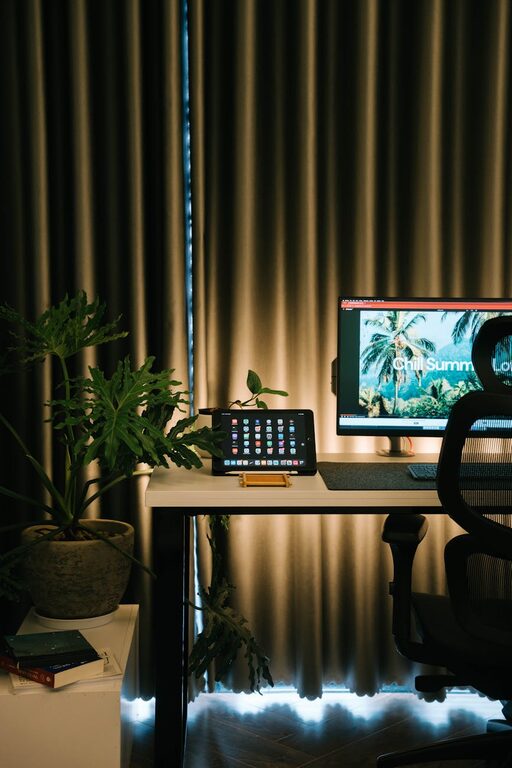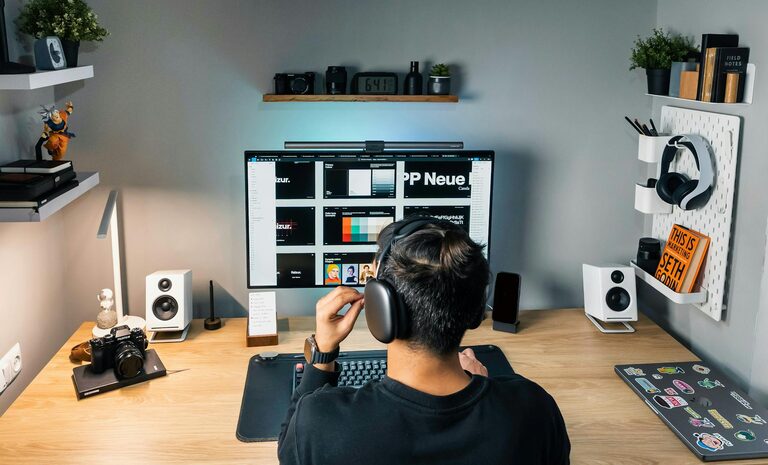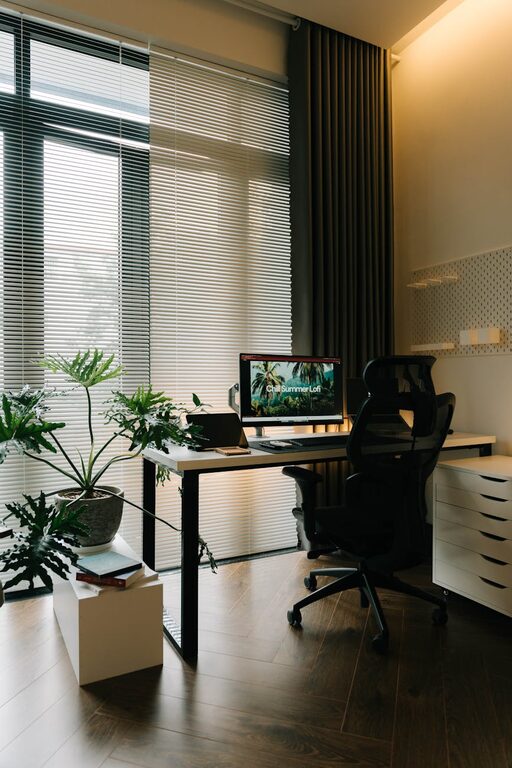
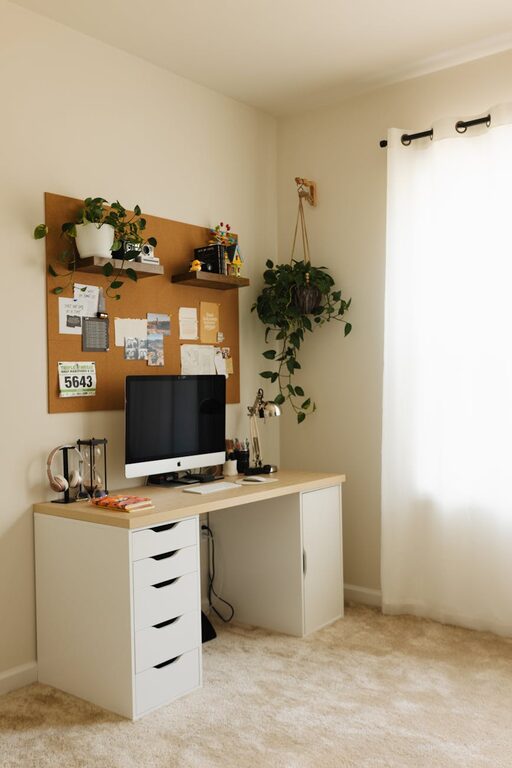




Creating a relaxing home workspace is essential for maintaining comfort and increasing productivity, especially when many of us spend significant time working remotely. A well-designed workspace not only supports focus but also reduces stress, making your workday more enjoyable and efficient. In this post, we’ll explore practical tips to help you set up a calming, comfortable home office that boosts your productivity.
Why a Relaxing Workspace Matters
Working in an environment that feels peaceful and organized can positively affect your mood and motivation. When your workspace is free from clutter and distractions, it becomes easier to concentrate on tasks. Comfort also plays a big role—if your chair or lighting is uncomfortable, it can lead to fatigue and reduce productivity.
By intentionally crafting a space that promotes relaxation, you encourage better work habits and overall well-being.
Choose the Right Location
Find a Quiet Spot
Select a space in your home where you can minimize interruptions and noise. This could be a spare room, a corner in the living room, or even a section of your bedroom. The quieter the area, the easier it is to focus.
Prioritize Natural Light
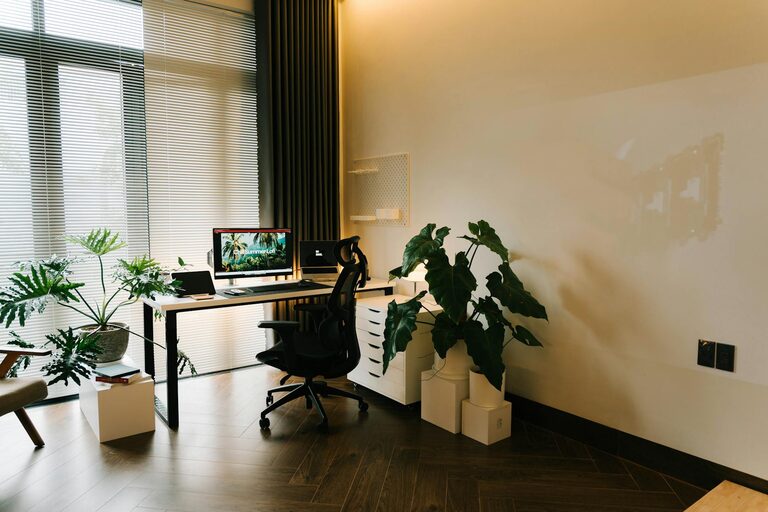
Natural light can improve mood and reduce eye strain. Position your desk near a window if possible. If natural light is limited, invest in good quality artificial lighting to keep the space bright and inviting.
Invest in Comfortable Furniture
Ergonomic Chair
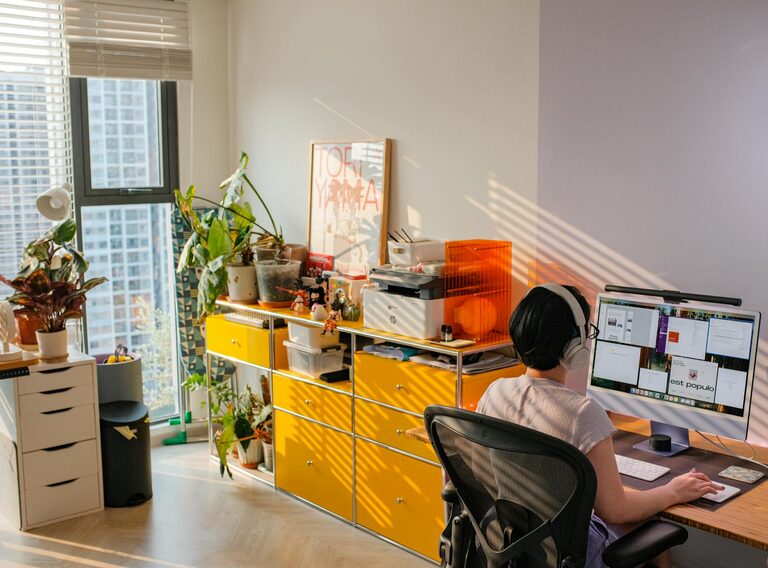
A supportive chair that encourages good posture is a must. Ergonomic chairs reduce back and neck strain and help you stay comfortable during long work sessions.
Adjustable Desk
If space allows, consider a desk with adjustable height settings. This feature lets you alternate between sitting and standing, which can improve circulation and reduce fatigue.
Declutter and Organize
Keep Essentials Handy
Limit your desk to items you use frequently, such as your computer, a notepad, pens, and a water bottle. This reduces distractions and makes your workspace appear neat.
Use Storage Solutions
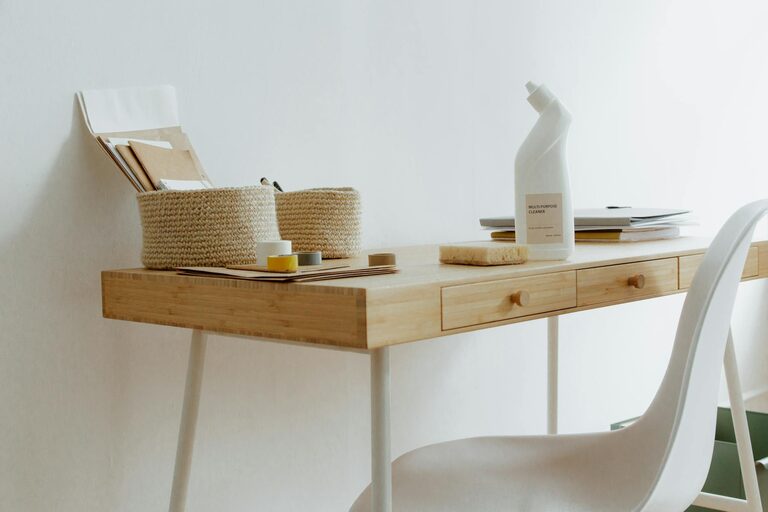
Incorporate shelves, drawer organizers, or baskets to store supplies and paperwork out of sight. A tidy space can reduce stress and foster a sense of calm.
Personalize Your Workspace
Add Greenery
Plants are known to improve air quality and create a calming atmosphere. Choose low-maintenance plants like succulents, snake plants, or peace lilies to bring life to your desk.
Use Soothing Colors
Colors can influence your mood. Soft blues, greens, and neutral tones are generally calming. Consider adding accessories like a rug, cushions, or wall art in these colors.
Control Noise and Distractions
Use Noise-Cancelling Headphones
If ambient noise is unavoidable, noise-cancelling headphones can help you concentrate. Alternatively, try playing soft background sounds or instrumental music.
Set Boundaries
Communicate your work hours to family or housemates to minimize interruptions. Use a “Do Not Disturb” sign if needed.
Maintain Proper Lighting
Avoid Glare
Position screens to avoid reflections from windows or lamps, which can cause eye strain. Use blinds or curtains to control sunlight.
Layered Lighting
Combine overhead lighting with task lamps to provide adequate illumination for reading and computer work. Warm light bulbs tend to be less harsh and more relaxing.
Incorporate Break Areas
Take Short Breaks
Designate a spot near your workspace for short breaks. Stretching or stepping away from your desk for a few minutes can refresh your mind.
Comfortable Seating
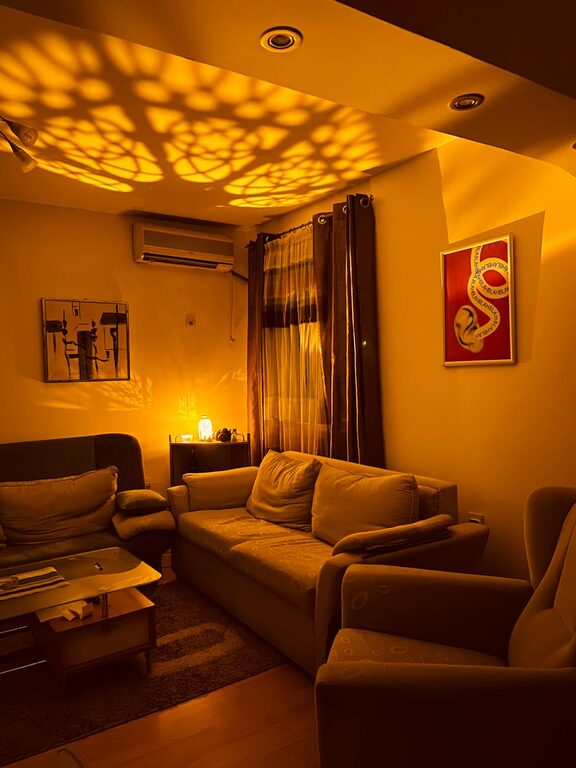
Consider adding a cozy chair or small sofa nearby to relax during breaks. This helps mentally separate work time from rest time.
Keep Technology Organized
Manage Cables
Use cable organizers or clips to keep cords tidy and prevent tangles. This not only looks better but also avoids distractions caused by clutter.
Optimize Equipment Placement
Keep your computer, keyboard, and mouse at comfortable positions to reduce strain. Screen height should be at eye level and about an arm’s length away.
Establish a Routine
Consistent Work Hours
Set regular start and end times for your workday to create a sense of normalcy and balance between work and personal life.
Morning Preparation
Start your day by tidying your workspace. A clean desk can help clear your mind before diving into tasks.
—
By following these tips, you can transform any corner of your home into a relaxing and productive workspace. Remember that small changes—like adding a plant or reorganizing your supplies—can make a big difference in how you feel and perform. Creating a comfortable environment tailored to your preferences allows you to work more efficiently and enjoyably every day.