


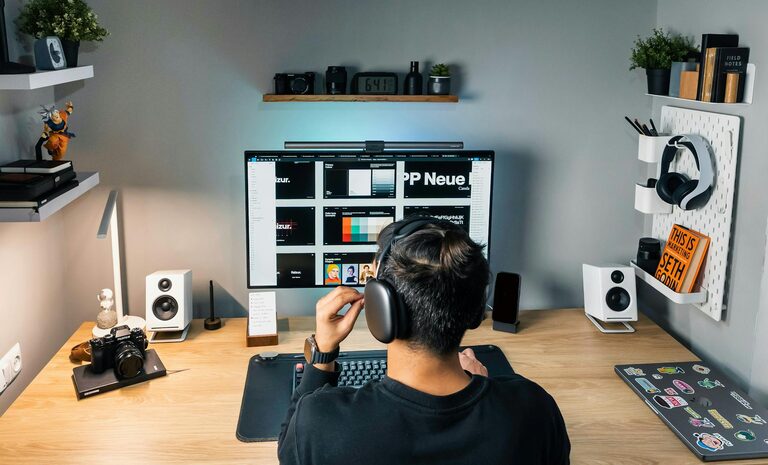
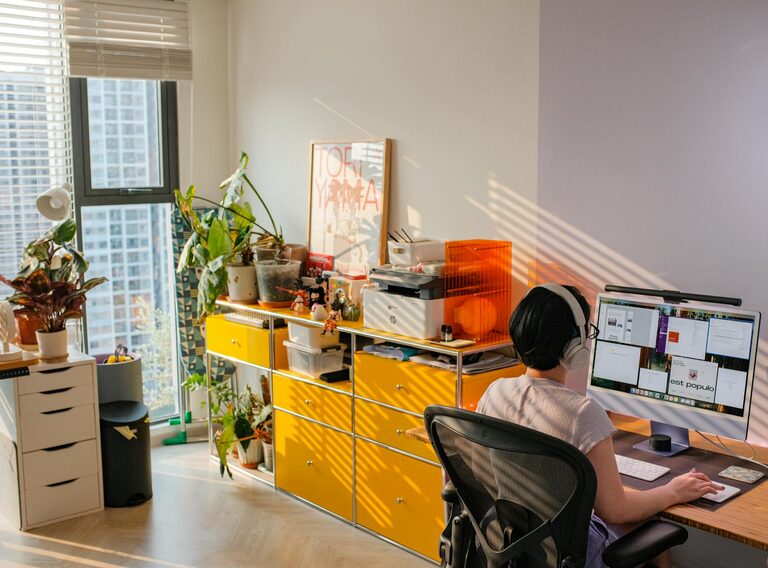
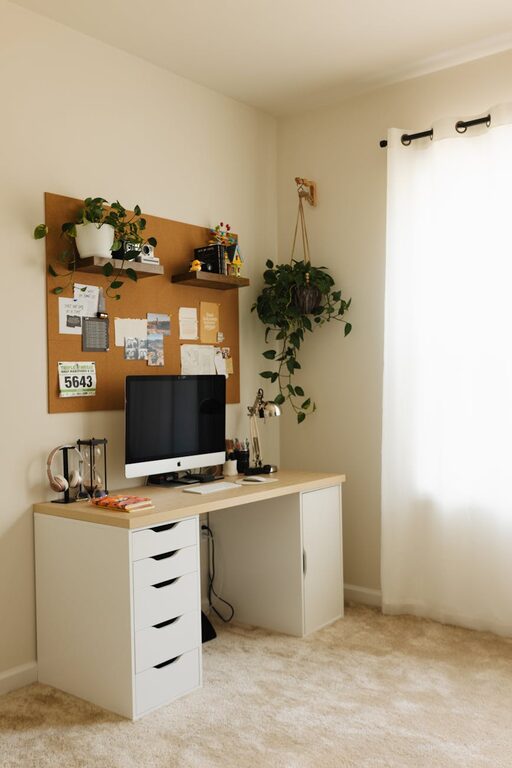
Working from home has become increasingly common, making it essential to create a workspace that encourages productivity and well-being. A well-designed home office helps minimize distractions, maintain focus, and keep you motivated throughout the day. Whether you have a dedicated room or a small corner, these tips can help you set up a productive environment tailored to your needs.
Choose the Right Location
The first step in creating a productive workspace is selecting the best spot in your home. Look for an area with minimal foot traffic and noise to reduce interruptions. Natural light is also a huge benefit, so try to position your desk near a window if possible. If space is limited, consider using room dividers or noise-canceling headphones to create separation.
Prioritize Ergonomics
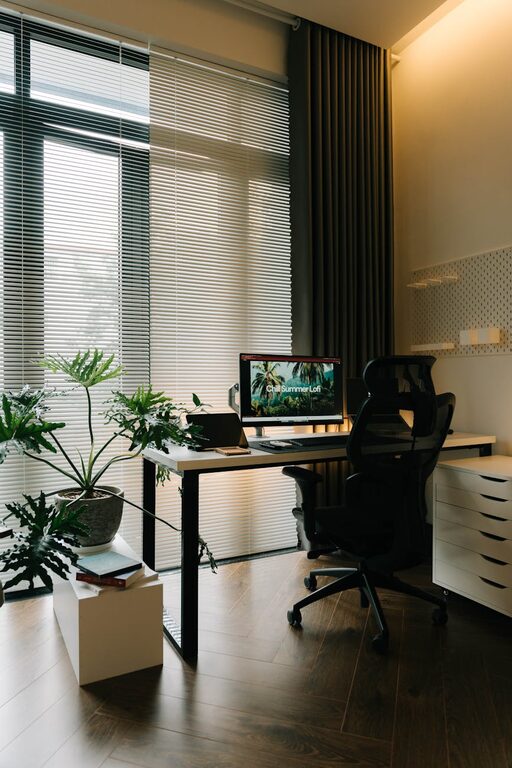
Comfort is key when you spend hours working at your desk. Invest in an ergonomic chair that supports your lower back and encourages good posture. Your desk height should allow your elbows to rest at a 90-degree angle when typing. Use a footrest if your feet don’t touch the floor. Position your computer screen at eye level to avoid neck strain.
Organize Your Workspace Effectively
A cluttered desk can lead to a cluttered mind. Keep only essential items within arm’s reach and store the rest in drawers or shelves. Use organizers like trays, pen holders, and file racks to keep stationery and documents neat. Regularly declutter your workspace to maintain a clean, inviting area.
Use Storage Solutions Wisely
– Shelves for books and reference materials
– Filing cabinets for papers and documents
– Cable organizers to prevent tangling
– Baskets or bins for miscellaneous items
Optimize Lighting
Good lighting reduces eye strain and helps maintain alertness. Combine natural light with adjustable artificial lighting. Use a desk lamp with warm, focused light for tasks requiring attention to detail. Avoid sitting with your back to a window, as this can cause glare on your screen.
Minimize Distractions
Identify and limit distractions in your environment. This might involve setting boundaries with family members or roommates during work hours. Use apps or tools to block distracting websites if you tend to get sidetracked online. Playing soft background music or white noise can also improve concentration for some people.
Personalize Your Space
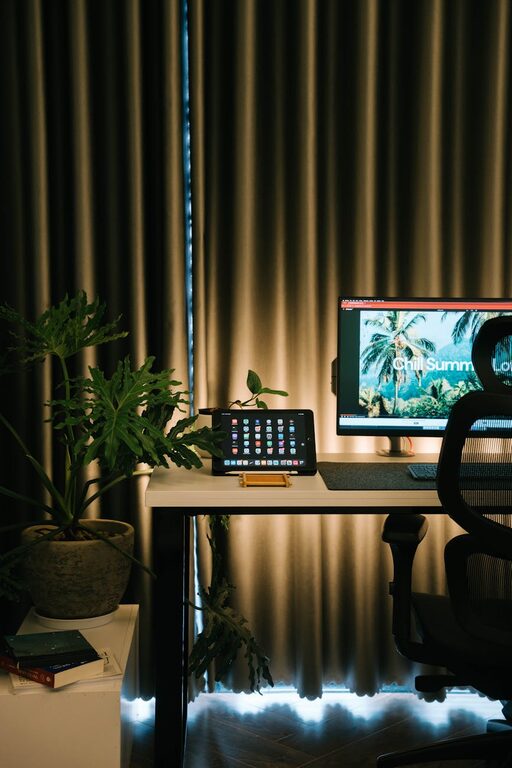
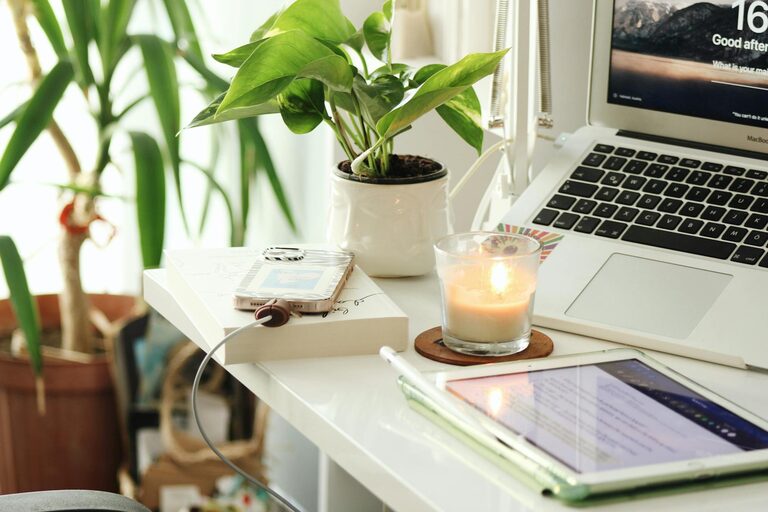
Adding personal touches can make your workspace more inviting and motivating. Consider incorporating plants to improve air quality and add a bit of nature. Display photos, artwork, or inspirational quotes that resonate with you. Just remember to balance personalization with professionalism and simplicity.
Establish a Routine
Creating a consistent daily routine supports productivity and separates work time from personal time. Set regular working hours and stick to them. Take scheduled breaks to stretch, hydrate, and refresh your mind. Using a timer or time management techniques like the Pomodoro method can help maintain focus.
Incorporate Technology Thoughtfully
Ensure your home workspace is equipped with reliable technology to prevent frustration. Use a high-speed internet connection for smooth communication and online work. Invest in quality peripherals such as a keyboard, mouse, and headset that suit your workflow. Keep your devices charged and maintain backups to avoid downtime.
Maintain Healthy Habits
Your workspace should encourage healthy habits to sustain productivity over the long term. Stay hydrated by keeping a water bottle nearby. Consider using a standing desk or alternate between sitting and standing during the day. Take time to move and stretch regularly to reduce fatigue and improve circulation.
Final Thoughts
Creating a productive home workspace is about combining comfort, organization, and focus-friendly elements tailored to your unique needs. By choosing the right location, optimizing ergonomics, minimizing distractions, and maintaining healthy habits, you can set the stage for effective, satisfying workdays at home. Start small, experiment with different arrangements, and adapt your space as you discover what helps you thrive.
With these tips, your home office can become a welcoming, efficient environment that supports your professional goals and personal well-being.