
Creating a relaxing home workspace is essential for maintaining productivity and well-being, especially with more people working from home than ever before. A well-designed space can reduce stress, keep you focused, and make your workday more enjoyable. Whether you have a dedicated room or a small corner, these tips will help you transform your home workspace into a peaceful and productive environment.
Why a Relaxing Workspace Matters
Your workspace affects how you feel and how well you work. When your area is cluttered, uncomfortable, or uninspiring, it can be hard to focus and stay motivated. On the other hand, a relaxing and well-organized workspace encourages creativity, reduces distractions, and promotes a positive mindset.
Choosing the Right Location
Find a Quiet Spot
Try to pick an area in your home where you can work without frequent interruptions. This could be a spare room, a nook in your living space, or even a section of your bedroom. The quieter the environment, the easier it is to concentrate.
Consider Natural Light
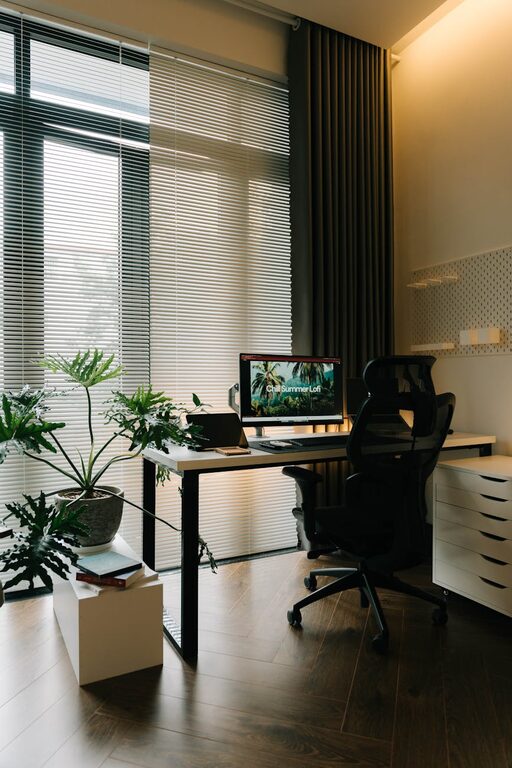
Natural light has a big impact on mood and energy. Position your desk near a window if possible to soak in daylight. If natural light is limited, choose warm, soft lighting that mimics daylight rather than harsh fluorescent bulbs.
Optimize Your Desk Setup
Comfortable Chair and Desk
Invest in an ergonomic chair that supports your lower back and encourages good posture. Pair this with a desk at the correct height to avoid strain on your wrists and shoulders.
Declutter Regularly
Keep your desk tidy by having only the essentials out. Use organizers, trays, or drawers to store office supplies and papers neatly. A clean surface helps minimize distractions.
Personalize Your Space Thoughtfully
Add Calming Elements
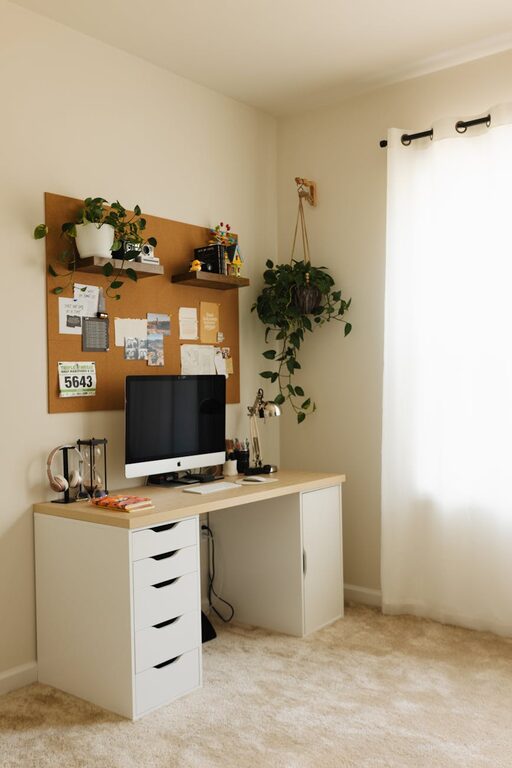
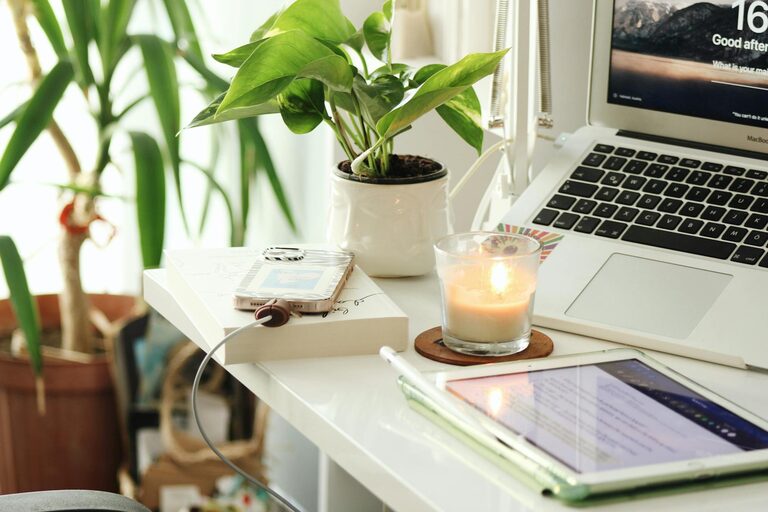
Incorporate items that bring you calm, such as small plants, a water fountain, or artwork that you find soothing. Plants not only improve air quality but also add a natural touch to your environment.
Choose Soothing Colors
Soft, neutral colors like light greens, blues, or beige can create a serene atmosphere. Avoid overly bright or dark colors, which may be distracting or gloomy.
Manage Noise Effectively
Use Noise-Canceling Options
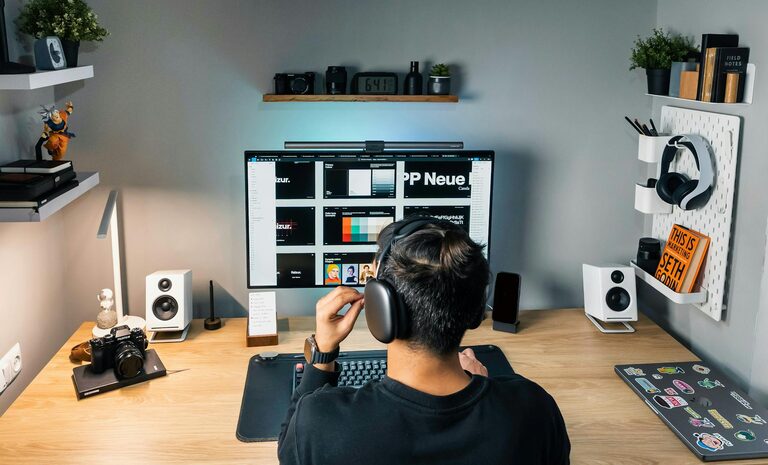
If your space isn’t entirely quiet, consider noise-canceling headphones or white noise machines to reduce background distractions.
Play Background Music
Some people find that playing soft instrumental music or nature sounds helps maintain focus and relaxation. Explore what works best for you.
Create a Routine for Well-being
Take Breaks and Move
Set a timer to remind yourself to stand up and stretch every hour. Moving regularly improves circulation and reduces tension built up from sitting.
Incorporate Mindfulness
Try simple breathing exercises or short meditation sessions at your desk to help lower stress and clear your mind during work hours.
Keep Technology Organized
Manage Cables
Use cable organizers or clips to keep cords from tangling. A neat setup not only looks better but also makes your workspace safer and easier to clean.
Use Digital Tools Wisely
Organize files and emails to reduce digital clutter. Apps that block distracting websites can help maintain focus during work periods.
Ensure Proper Ventilation and Temperature
Fresh air and comfortable temperature levels are important for concentration. If possible, open windows for ventilation or use a fan or air purifier. Adjust your thermostat to maintain a cozy environment that won’t leave you feeling too warm or cold.
Final Thoughts
A relaxing home workspace is about more than just looks. It’s about creating an environment that supports your productivity and well-being throughout the day. By choosing the right location, organizing thoughtfully, adding calming personal touches, and taking care of your comfort, you set yourself up for success and a healthier working lifestyle.
Start small by implementing just a few of these tips today and watch your home workspace transform into a place where you can thrive.