
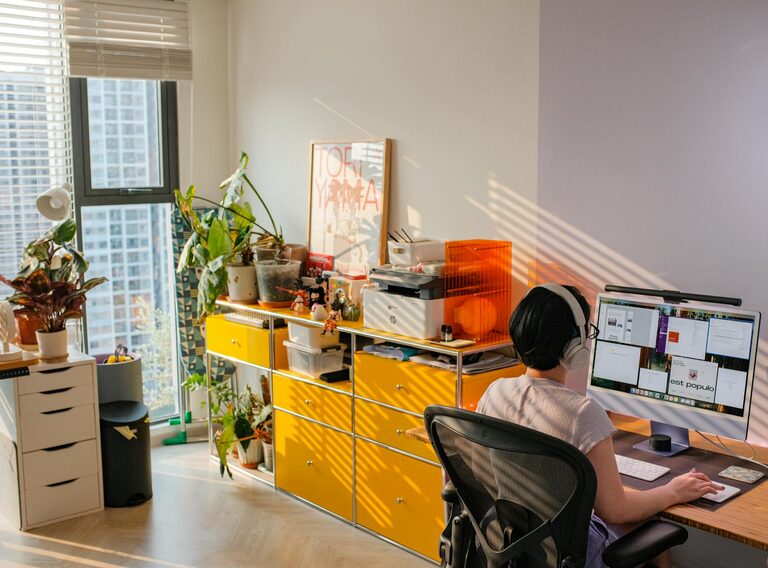
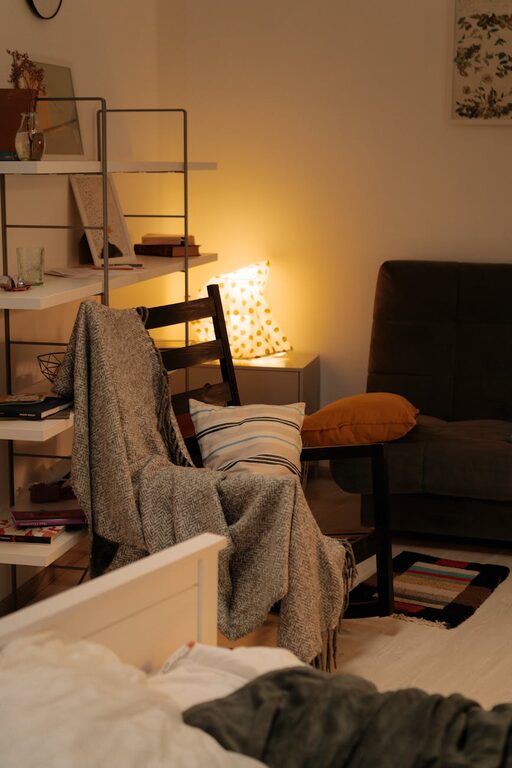
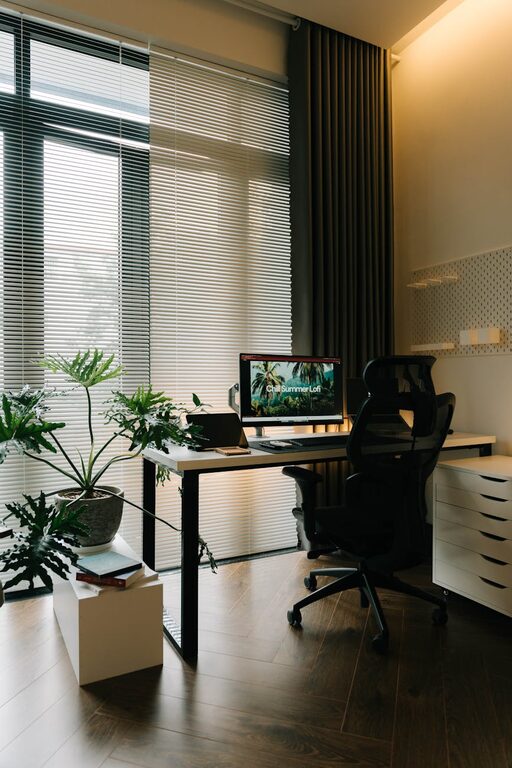


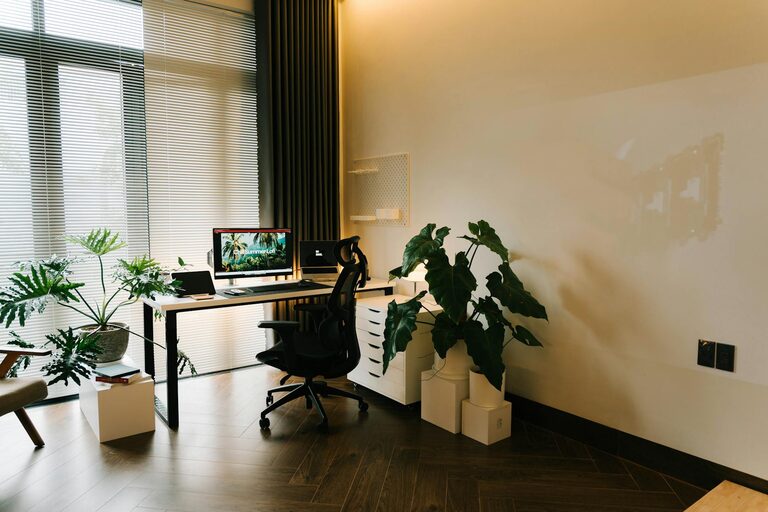
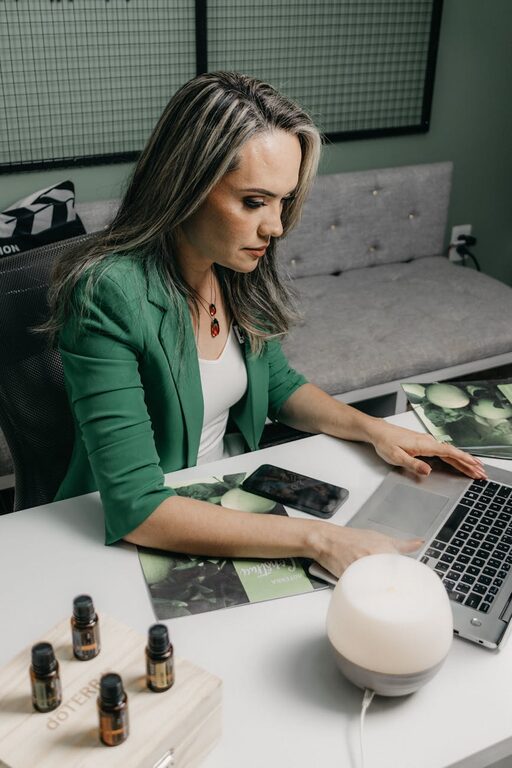

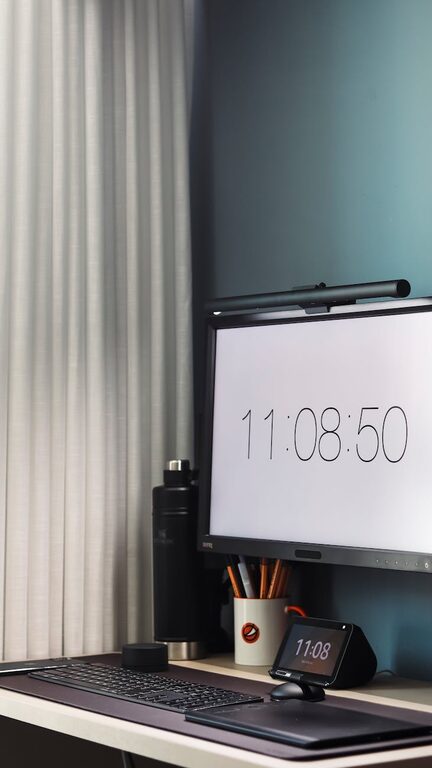
Creating a well-organized home workspace is essential for maintaining productivity, especially when working remotely. An organized environment reduces distractions, minimizes stress, and helps you stay focused on your tasks. Whether you have a dedicated office room or a small corner in your living room, these strategies can help you design an efficient workspace that supports your work goals.
Assess Your Workspace Needs
Before making any changes, take a moment to evaluate your current workspace:
– What tasks do you perform daily?
– How much space do you have available?
– What tools and equipment do you regularly use?
– Are there any distractions you want to reduce?
Understanding your specific needs helps you tailor the organization of your workspace effectively.
Choose the Right Location
Select a spot in your home that supports your productivity:
– Preferably a quiet area with minimal foot traffic.
– Good natural light to reduce eye strain and boost mood.
– Close proximity to power outlets for your devices.
– Space to accommodate your work essentials comfortably.
If privacy is limited, consider noise-canceling headphones or screens to create a sense of separation.
Declutter and Simplify
A cluttered desk can quickly lead to a cluttered mind. Here’s how to keep your workspace tidy:
– Remove non-essential items from your desk.
– Store rarely used materials elsewhere.
– Use drawers or storage boxes to keep supplies organized.
– Keep only your current project and essential tools within reach.
Regularly declutter your space to maintain this simplicity.
Use Functional Furniture and Storage Solutions
Investing in the right furniture makes a big difference:
– A comfortable, ergonomic chair reduces fatigue.
– A desk with adequate surface area allows you to spread out your work.
– Shelves, filing cabinets, or storage bins help keep documents and supplies in order.
– Consider vertical storage to maximize space in smaller areas.
Using labels on storage containers can make it easier to find items quickly.
Organize Your Digital Workspace Too
Physical organization should be complemented by digital order:
– Arrange files and folders in a logical structure.
– Use cloud storage to keep important documents accessible and backed up.
– Minimize digital distractions by closing unnecessary tabs and apps.
– Set up a dedicated email folder system to manage correspondence efficiently.
Keeping your computer desktop clean also contributes to a clear mind.
Implement a Cable Management System
Cables can quickly become tangled and messy:
– Use cable clips, ties, or sleeves to bundle cords.
– Label cables to identify their purpose easily.
– Position power strips under or behind your desk to keep them out of sight.
– Consider wireless peripherals to reduce cable clutter.
A tidy setup looks better and reduces the risk of accidents.
Personalize Your Workspace – But Keep It Minimal
Adding personal touches can make your workspace inviting:
– Include plants to improve air quality and create a calming effect.
– Display a few favorite photos or artwork that inspire you.
– Use calming colors and materials you enjoy.
Avoid overcrowding your space with excessive decor that may distract you.
Create a Routine for Workspace Maintenance
Maintaining an organized workspace requires regular effort:
– Spend 5-10 minutes at the end of each day tidying your desk.
– Schedule weekly or monthly sessions to reorganize files and supplies.
– Reassess your setup periodically to adapt to changing work needs.
This routine helps sustain productivity over the long term.
Set Boundaries Between Work and Home Life
Organizing your workspace can also help maintain a healthy work-life balance:
– Designate your workspace strictly for work to keep mental boundaries.
– Clear your desk or close your office door when work is done.
– Avoid eating or relaxing in your workspace to strengthen separation.
Clear boundaries support focus during work and relaxation at other times.
Conclusion
Organizing your home workspace is a key step toward boosting productivity and enjoying a more comfortable work-from-home experience. By assessing your needs, decluttering regularly, choosing functional furniture, managing cables, and setting routines, you can create a space that keeps you focused and motivated. Remember, a thoughtful and personalized environment enhances both your efficiency and your wellbeing. Start with small changes, and build an organized workspace that works best for you.